


Introduction
There’s a point where businesses start noticing something strange. Nothing is technically broken. No major outages. No system failures. No obvious issues.
And yet… things feel slower. Tasks take longer than they used to. Reports need more checking. Teams follow up more often than before. It’s not dramatic enough to stop operations. But it’s noticeable. And more importantly, it keeps getting worse.
It Doesn’t Happen All At Once
The slowdown doesn’t come from one big problem. It builds gradually. A new tool gets added to solve a small gap. A process is adjusted to handle a new requirement. A team introduces a quick workaround to keep things moving. Each change makes sense on its own. None of them feel like a mistake. But over time, these small changes start stacking up.
Systems Become Slightly Misaligned
At the start, everything is aligned. Data flows cleanly. Processes are clear. Teams know exactly where to find what they need. But as changes accumulate, alignment starts slipping. Data begins to move through multiple paths.
Processes gain extra steps. Systems start depending on manual input. Nothing breaks. But nothing is as smooth as it used to be.
More Effort Starts Replacing Simplicity
This is where teams begin compensating. They double-check data. They confirm before proceeding. They maintain backup versions “just in case.”
Work that used to be automatic now needs attention. And that attention adds time. Not in big chunks, but in small, repeated moments throughout the day.
The System Still Works — But It’s No Longer Efficient
This is the tricky part. From the outside, everything looks fine. The system is still running. Tasks are still getting completed. The business is still growing. But internally, it feels heavier. People are working harder to get the same results. And that’s usually the signal.
Why Adding More Tech Doesn’t Solve It
At this stage, the natural reaction is to upgrade. A faster tool. A smarter system. An automation layer. It feels like the right move.
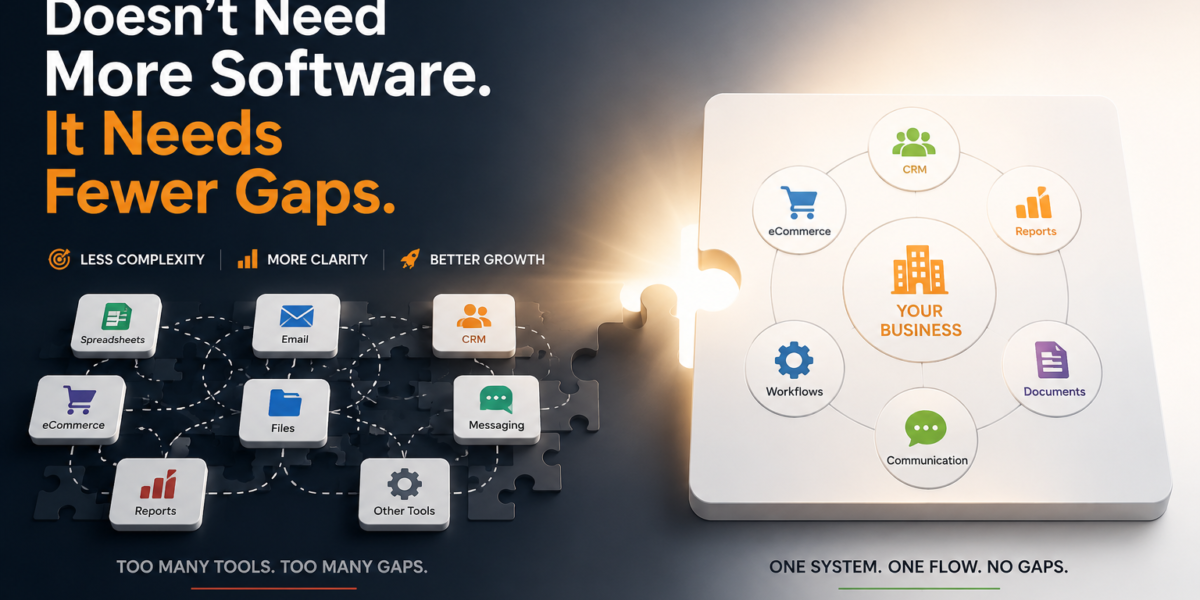
But if the underlying flow is already misaligned, new technology doesn’t fix it. It adds to it. Now there are more connections to manage. More data paths. More points where things can drift further.
The Real Issue Is Flow, Not Speed
Most people think the problem is speed. But it’s not. It’s flow. How work moves from one step to the next. How data travels across systems. How dependencies are handled. When flow is clean, speed follows naturally. When flow is broken, speed can’t be fixed.
This Is Where Things Usually Change
At Minterminds, this is usually where conversations begin. Not around replacing systems. But around understanding them. What’s actually happening right now? Where does work slow down?
Where do people intervene manually? Because once those points are clear, the solution becomes obvious.
When Systems Realign
When flow is corrected, the difference is immediate. Not flashy. But noticeable. Work starts moving without friction. Data becomes reliable again. Follow-ups reduce. The system feels lighter.
Final Thought
Most businesses don’t slow down because something failed. They slow down because systems drift out of alignment over time.
And that drift isn’t obvious, until it starts affecting everything. Fixing it isn’t about adding more. It’s about bringing things back into sync. That’s where the real improvement happens.