


Introduction
There’s a stage many businesses reach where everything looks structured. You have systems in place. Teams know their roles. Processes are defined. On the surface, it feels like things are under control.
But then growth starts putting pressure on the same setup. And that’s when something interesting happens. Things don’t break. They just… stop scaling.
Everything Works, Until It Doesn’t
In the early days, the setup works surprisingly well. A few tools are enough. Teams coordinate directly. Decisions are quick. Even if something isn’t perfect, it’s manageable.
People fill the gaps naturally. But as the business grows, those same gaps don’t stay small. They stretch.
Scaling Doesn’t Just Add Volume, It Adds Complexity
Growth isn’t just about doing more of the same. It introduces new layers. More customers mean more data. More team members mean more coordination.
More processes mean more dependencies. Suddenly, tasks that were simple before now involve multiple steps. And every extra step creates a chance for delay.
Systems Start Showing Their Limits
Most businesses don’t redesign their systems as they grow. They expand on what already exists. Add a tool here. Adjust a process there.
Create a workaround when needed. Each change makes sense in the moment. But over time, the system becomes a mix of old structure and new patches. It still works. But it’s no longer efficient.
The Signs Are Subtle, But Consistent
This stage doesn’t feel like failure. It feels like friction. Teams follow up more often. Reports need validation. Work depends on manual checks.
No one can point to a single problem. But everyone feels the same thing: “This shouldn’t be this complicated.”
People Start Compensating for the System
When systems don’t fully support the work, people step in. They create trackers. They double-check data. They confirm before proceeding. These aren’t mistakes. They’re adjustments.
But they shift responsibility from the system to the team. And over time, that adds pressure.
Why Adding More Tools Doesn’t Solve It
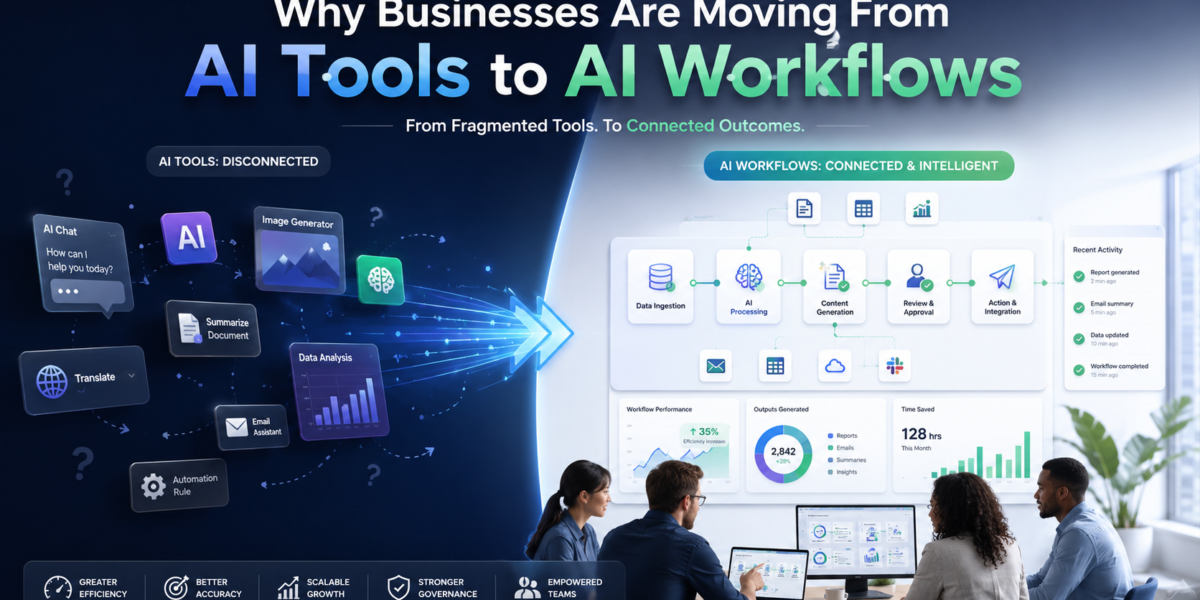
At this point, businesses often try to fix the issue by upgrading technology. A better dashboard. A smarter tool. An automation layer. It feels like progress. But if the underlying structure hasn’t changed, the outcome doesn’t either.
Now there are more tools. More connections. More complexity.
The Real Problem Is Alignment
What’s often missing isn’t capability. It’s alignment. How systems connect. How data flows. How processes reflect actual work. If these aren’t aligned, scaling becomes difficult. Because the system isn’t built to handle it.
Scaling Requires Systems That Evolve
One of the biggest misconceptions is that systems built early can simply stretch with growth. They can’t. Not without adjustment. As the business evolves, the systems need to evolve with it.
Not by adding layers, but by refining structure. Simplifying where possible. Connecting where necessary. Removing what no longer works.
When Things Start Scaling Smoothly
You can tell when a business is ready to scale. Not because everything looks impressive. But because things feel lighter. Work moves without constant follow-ups.
Data is trusted without repeated checks. Decisions happen without delays. The system supports growth instead of slowing it down.
Final Thought
Many businesses think scaling problems come from lack of resources. More people. More tools. More capacity. But often, the real issue is deeper. It’s how everything is structured underneath. Because growth doesn’t just test your business.
It tests your systems. And if they aren’t built to evolve, they eventually start holding you back. That’s where the shift happens. Not by adding more. But by fixing what’s already there.