


Introduction
People usually expect systems to fail in obvious ways. A crash. An outage. Something that forces everyone to stop and fix it immediately. That kind of failure is easy to notice. It demands attention. It gets prioritized. But inside most growing businesses, things don’t fall apart like that. They shift slowly.
At first, everything works as expected. Data moves cleanly. Reports match. Teams trust the system. There’s no reason to question it. Then small changes begin to creep in.
A new tool gets added to solve a quick problem. A process is adjusted to save time. Someone creates a workaround just to keep things moving. None of it feels serious. In fact, most of it feels helpful in the moment.
But over time, those small changes start stacking up. The system is still running. Nothing has crashed. Nothing looks broken from the outside. And yet, something feels off.
Reports need double-checking. Tasks take a little longer. People start asking for confirmation more often. That’s what drift looks like. It doesn’t stop the business. It just quietly slows it down.
It Starts Small, Almost Invisible
In the beginning, everything works. Data flows where it should. Reports match. Teams trust what they’re seeing.
Then something small changes.A new tool gets added. A workflow gets adjusted.Someone creates a quick workaround to save time. Nothing feels wrong. But the system is no longer exactly what it used to be.
Drift Doesn’t Feel Like a Problem
That’s what makes it tricky. There’s no clear moment where things stop working. Instead, small inconsistencies begin to show up. A report looks slightly different from another one. A number needs “just a quick check.”
A process needs one extra step to confirm things. Individually, these don’t feel serious. So they get ignored.
Over Time, Complexity Builds Up
As the business grows, those small changes layer on top of each other. More tools get introduced. More people interact with the system. More data flows through different paths. And slowly, the system becomes harder to understand. Not because it’s poorly built. But because it has evolved without structure.
The System Still Works, But It Feels Heavy
This is where most businesses get stuck. Nothing is technically broken. But everything feels slower. Tasks take longer to complete. Teams rely on follow-ups more often. Decisions take extra time because data needs validation. It creates this constant sense of friction. Not enough to stop operations, but enough to slow growth.
People Start Working Around the System
When systems drift too far from how work actually happens, people adapt. They create shortcuts. Maintain their own trackers. Double-check things manually. Over time, the real workflow shifts outside the system. The system still exists. But it’s no longer the center of operations.
Why Adding More Tech Makes It Worse
At this stage, the instinct is to fix things by adding something new. A better dashboard. A new automation layer. Another platform to “streamline” work.
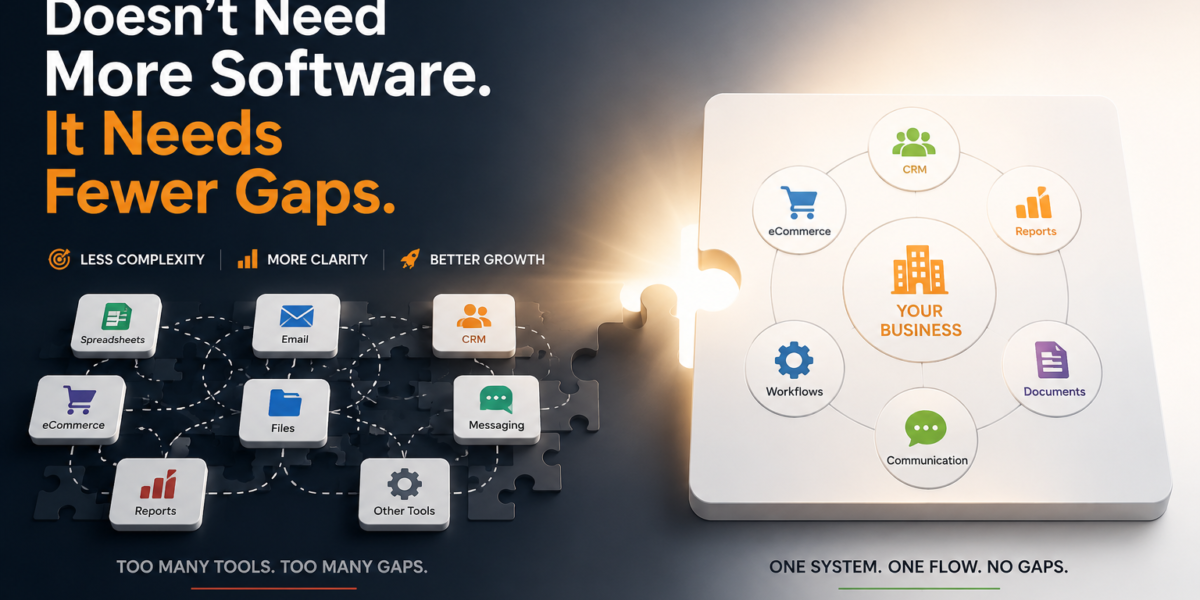
But if the underlying system has drifted, new tools don’t fix the problem. They add to it. Now there are more layers. More data sources. More points where things can go out of sync.
What Actually Brings Systems Back
Fixing this isn’t about replacing everything. It’s about understanding how things move now, not how they were originally designed. Where data actually flows. Where it slows down. Where people intervene manually.
At Minterminds, this is usually where the real work starts. Not with building. With mapping reality.
When Systems Realign
Once systems are brought back into alignment, the change is noticeable. Work starts moving again. Fewer follow-ups. Fewer manual checks. Fewer “just to be safe” steps. The system becomes usable again, not because it’s new, but because it fits.
Final Thought
Most businesses don’t lose efficiency because something failed. They lose it because systems quietly drift away from how the business actually works. And by the time it’s noticed, that drift has already become part of everyday operations. Fixing it isn’t about adding more technology.
It’s about bringing structure back to what already exists. That’s where things start moving again.