


Introduction
Every startup founder knows the feeling. The idea is clear in your head, but the moment you try to turn it into a product, everything slows down. Screens pile up. Decisions get delayed. Developers ask questions you didn’t know you needed answers for. Weeks pass and somehow, progress feels smaller than it should.
Building tech is rarely slow because people aren’t working hard. It’s slow because direction isn’t tight enough.
This is where Minterminds comes in.
Not as a typical “development partner” that waits for perfect specs. And not as an agency that throws people at a problem and hopes speed will appear. The work is different. The thinking is different. And the pace follows naturally.
Speed Comes From Fewer Wrong Decisions
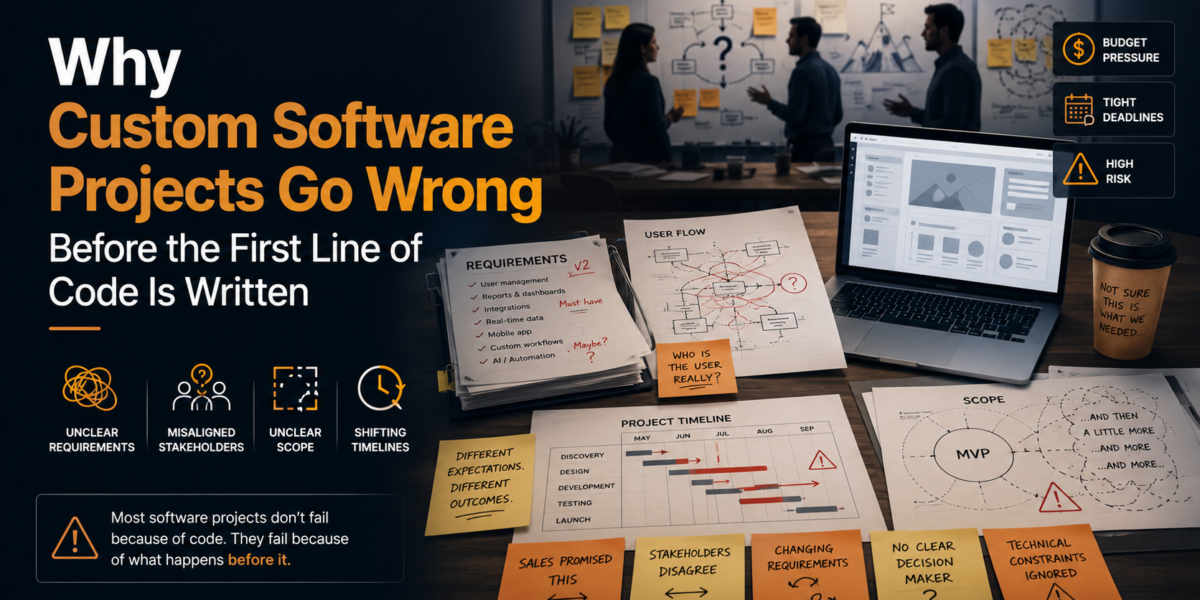
One thing Minterminds has learned the hard way is that most delays don’t come from coding. They come from decisions made too early or too late.
Startups often rush into development because momentum feels good. But when clarity is missing, speed turns into rework. Features get built, tested, and then quietly removed. Architecture decisions made in week two start breaking things in month three.
Minterminds slows things down briefly at the start so the rest of the journey doesn’t drag.
Before building anything, the team focuses on understanding what truly matters:
- What problem is actually being solved?
- Who is the first real user, not the imagined one?
- What does “working” mean for version one?
This phase doesn’t feel flashy, but it saves time in ways founders only realise later.
Turning Ideas Into Something Developers Can Actually Build
Founders don’t think in flows or edge cases. They think in outcomes. That’s normal. The challenge is that developers can’t build outcomes. They build logic, screens, systems, and rules.
Minterminds acts as the translator between vision and execution. Ideas are unpacked carefully. Not to overcomplicate them, but to remove ambiguity before it becomes expensive.
Instead of long documents, the focus is on conversations, diagrams, and real examples. Questions get uncomfortable sometimes. That’s intentional. Every unanswered assumption eventually becomes a delay.
Once things are clear, development moves quickly because the team isn’t guessing.
Lean Teams, Real Accountability
Big teams feel reassuring. In practice, they often slow startups down. Minterminds prefers small, focused teams where ownership is obvious. Everyone knows what they’re responsible for. No one hides behind roles. Designers talk to developers. Developers talk to founders. There’s no long chain of approvals.
This keeps feedback fast and decisions clean.
When something doesn’t work, it’s spotted early. When something does work, it gets doubled down on immediately.
Building What the Market Can Respond To
One of the fastest ways to waste time is building features no one uses. Minterminds pushes startups to get real products into real hands as early as possible. Not perfect products. Not full platforms. Just something solid enough to test.
This changes everything. Instead of debating features internally, teams start learning from actual behaviour. What users click. Where they drop off. What they ignore completely.
Those insights guide what gets built next. Not opinions. Not assumptions. That alone cuts months off product timelines.
Technology Choices That Don’t Create Future Headaches
Moving fast doesn’t mean cutting corners. It means choosing tools that won’t punish you later.
Minterminds avoids trends for the sake of trends. The focus stays on technologies that are stable, well-supported, and flexible enough to grow with the product.
At the same time, the team avoids over-engineering. Startups don’t need enterprise-level complexity on day one. They need something that works, can be improved, and won’t collapse under moderate growth.
That balance keeps momentum intact.
Parallel Work Instead of Linear Waiting
A common mistake in development is waiting for one thing to finish before starting another.
Design waits for requirements. Development waits for design. Testing waits for development. By the time feedback arrives, it’s too late to change much without pain.
Minterminds works differently.
Design, development, and feedback move together. Small parts ship. They get reviewed. Adjustments happen immediately. Nothing piles up.
This overlapping rhythm keeps projects moving and avoids last-minute chaos before launches.
Clear Communication Without Endless Meetings
Meetings don’t equal progress. Decisions do. Minterminds keeps communication tight and purposeful. Updates are frequent but short. Questions are addressed directly. There’s no culture of over-documenting to look busy.
Founders stay informed without being pulled into every technical detail. Developers get answers quickly instead of waiting days for clarity. Less noise. More movement.
Learning Faster Than the Competition
Speed isn’t just about building. It’s about learning.
Minterminds helps startups treat every release as a learning opportunity. What happened after launch matters more than what was planned before it.
Metrics are chosen carefully. Not vanity numbers, but signals that actually reflect user behaviour. Those signals shape what happens next.
This loop of build, observe, adjust keeps teams ahead of competitors who are still debating what to build.
Scaling Without Losing Control
Many startups move fast early and then stall as complexity grows. Systems become fragile. New features take longer. Small changes ripple unexpectedly.
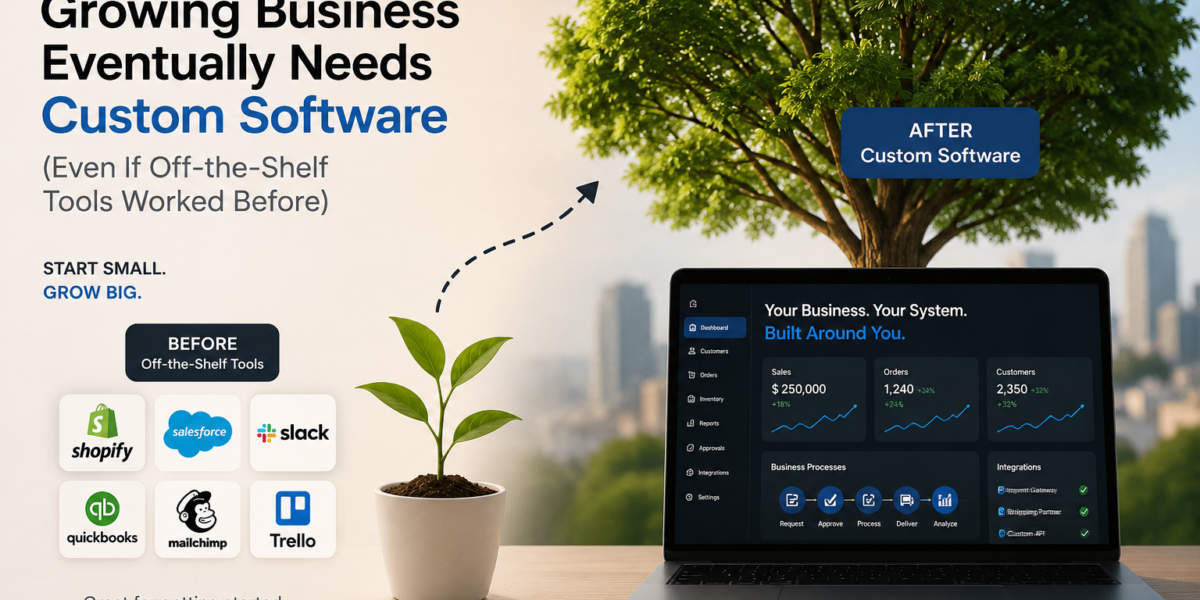
Because Minterminds builds with clarity from the beginning, scaling feels more controlled. New team members understand the product faster. Changes fit into existing structures. Growth feels intentional instead of reactive.
That’s rare. And it’s valuable.
Conclusion: Why This Approach Works
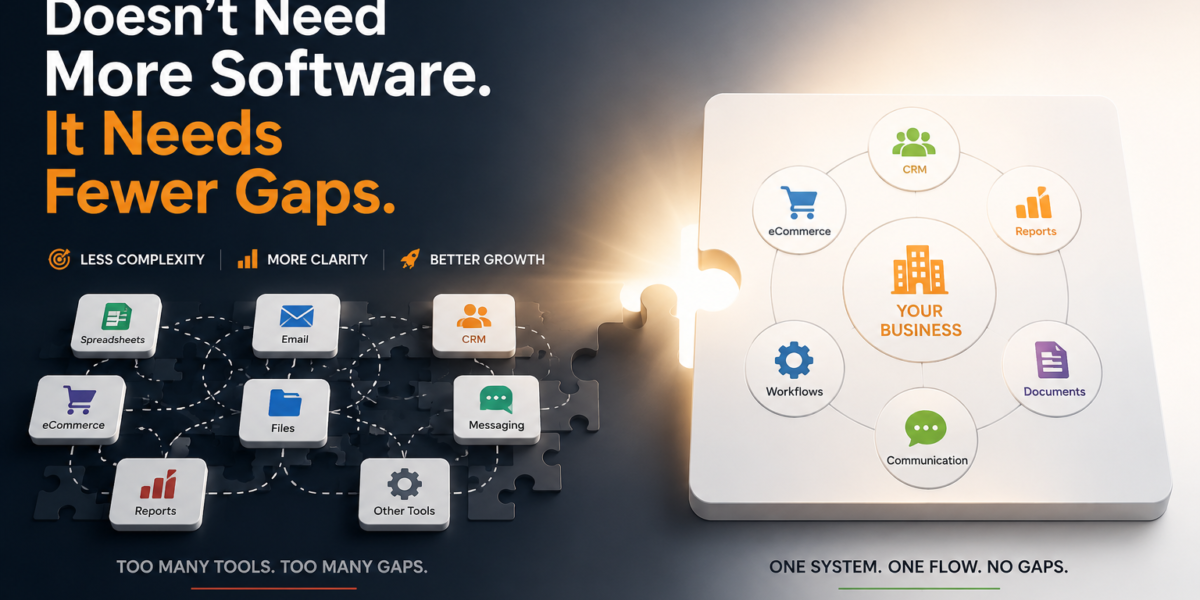
Startups don’t need more tools. They need better decisions, made earlier.
Minterminds helps startups build tech faster by:
- Reducing uncertainty before development starts
- Keeping teams small and aligned
- Focusing on real-world feedback
- Avoiding unnecessary complexity
It’s not about rushing. It’s about removing friction. When friction disappears, speed follows naturally. And in the startup world, that difference can decide whether an idea stays an idea or becomes a real product.