

Introduction
Technology has become central to how modern businesses operate, grow, and compete. Yet despite access to advanced tools, platforms, and frameworks, many organisations still feel stuck. Systems don’t talk to each other. Processes remain manual. Data exists, but insights are missing. Teams rely on workarounds rather than workflows.
This gap is rarely caused by a lack of technology. More often, it comes down to how that technology is planned, built, and implemented.
At its core, digital transformation fails when tools are added without understanding the business behind them.
The Real Problem Isn’t Software, it’s Fragmentation
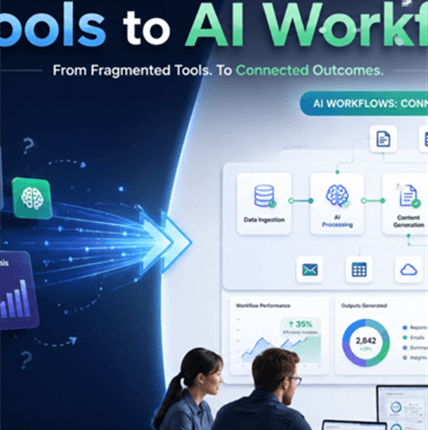
Most businesses don’t start with a broken system. They start with one tool, then add another. Over time, CRM platforms, accounting tools, logistics software, analytics dashboards, and customer-facing apps are stitched together loosely.
Each solution works on its own. Together, they create friction. Teams duplicate effort. Data becomes inconsistent. Decisions rely on partial visibility. What was meant to increase efficiency ends up slowing things down.

This is where many organisations realise that off-the-shelf solutions, while useful, don’t always adapt well to real-world operations. Businesses evolve. Generic software does not.
Why “Digital” Needs to Start With Process, Not Code
One common mistake businesses make is jumping straight into development. A tool is commissioned before workflows are clearly defined. Features are prioritised without mapping outcomes. The result is software that technically functions but never truly fits.
Effective digital systems begin with questions, not features:
- How does work actually move through the organisation?
- Where do delays, errors, or handoffs occur?
- What decisions depend on real-time visibility?
- Which processes should be automated, and which should remain human-led?
When technology is designed around these answers, it becomes an enabler rather than an obstacle. This process-first mindset is what separates functional software from systems that genuinely support scale.
Custom Digital Solutions Are About Alignment, Not Complexity
Custom software is often misunderstood. It’s assumed to be expensive, complex, or excessive. In reality, well-designed custom systems often simplify operations rather than complicate them.
Instead of forcing teams to adapt to rigid platforms, custom solutions adapt to how the business already works—while improving efficiency where it matters.
That might mean:
- A logistics platform built around real dispatch patterns, not generic routing logic
- An internal dashboard that mirrors how leadership reviews performance
- A customer portal designed around actual user behaviour rather than assumed journeys
The value lies in alignment. When tools reflect real operations, adoption increases naturally.
The Role of AI and Automation, Used Carefully
Artificial intelligence is now part of most technology conversations. But its real value doesn’t come from adding AI everywhere. It comes from applying it selectively.
In many cases, automation works best when it removes repetitive effort:
- Sorting and routing data
- Flagging anomalies or exceptions
- Generating summaries or alerts
- Supporting decision-making, not replacing it
AI should reduce noise, not create it. When used thoughtfully, automation frees teams to focus on judgement, strategy, and problem-solving. When applied without context, it becomes another layer of complexity.
Why Businesses Need a Long-Term Technology Partner
Technology projects don’t end at launch. Systems need refinement. Businesses change. Markets shift. Regulations evolve. A solution that works today may need adjustment tomorrow.
This is why many organisations are rethinking the idea of vendors and instead looking for long-term digital partners.
A good partner understands:
- The business goals behind the software
- The industry context, not just the tech stack
- The importance of scalability without overengineering
At Minterminds, the focus is not on delivering isolated applications, but on building ecosystems, connected systems that grow alongside the business.
From Execution to Ownership
One overlooked aspect of digital transformation is ownership. Software shouldn’t feel like an external dependency. Teams should understand it, trust it, and feel confident using it.
That requires:
- Clear documentation
- Intuitive interfaces
- Transparent logic
- Ongoing support and iteration
When teams take ownership of their systems, technology becomes part of culture rather than a separate layer.
Technology That Supports Growth, Not Just Operations
Ultimately, the goal of digital investment is not efficiency alone. It’s growth.
Growth happens when:
- Data supports better decisions
- Systems scale without breaking
- Teams spend time on value, not maintenance
- Customers experience consistency and clarity
Technology should quietly support these outcomes without demanding constant attention.
Moving Forward With Intention
The future of business technology is not about chasing trends. It’s about building systems that reflect how organisations think, operate, and grow.
For businesses ready to move beyond disconnected tools and surface-level digitisation, the next step isn’t more software. It’s better alignment.
That’s where thoughtful digital strategy, custom solutions, and the right partner make all the difference.