

Introduction
There’s a lot of noise around AI right now. Every second product claims to be AI-powered. Every business conversation somehow leads back to automation, machine learning, or “intelligent systems.”
On paper, it all sounds impressive. But if you look a little closer, something doesn’t add up.
A lot of these AI projects don’t actually fail in an obvious way. They don’t crash. They don’t break. They don’t trigger alarms. They just… don’t make much of a difference. And that’s the part most people don’t talk about.
The Model Works. The System Doesn’t.
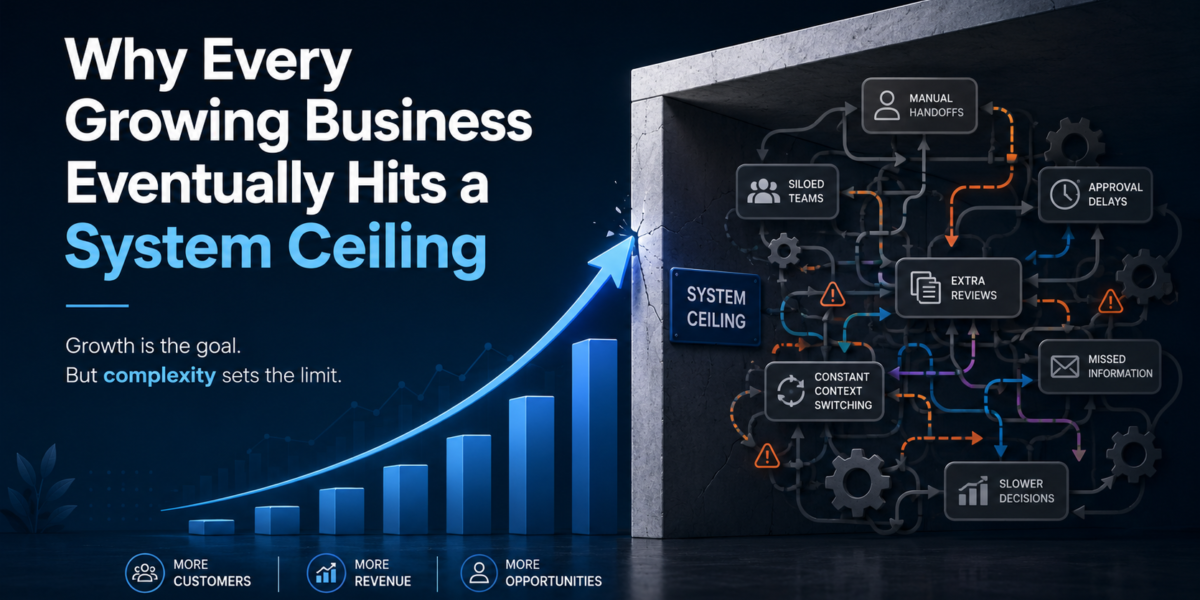
In many cases, the AI itself is fine. The model predicts correctly. The logic is sound. The output is technically accurate. But once it’s placed inside a real business environment, things start falling apart.
The data it depends on isn’t consistent. The systems around it don’t sync properly. The workflow it’s supposed to support isn’t clearly defined.
So even though the AI is “working,” it’s not helping. It becomes another layer instead of a solution.
AI Needs Structured Inputs, Not Just Data
There’s a common assumption that AI just needs data. But that’s not entirely true. It needs structured data. And more importantly, it needs predictable flow.
If data comes from five different systems, each with slight variations, the model starts receiving mixed signals. If updates don’t happen in real time, the output becomes outdated. If inputs change depending on who enters them, consistency disappears. None of these issues are visible at first. But they quietly affect performance.
The Real Problem: Systems That Weren’t Built for Intelligence
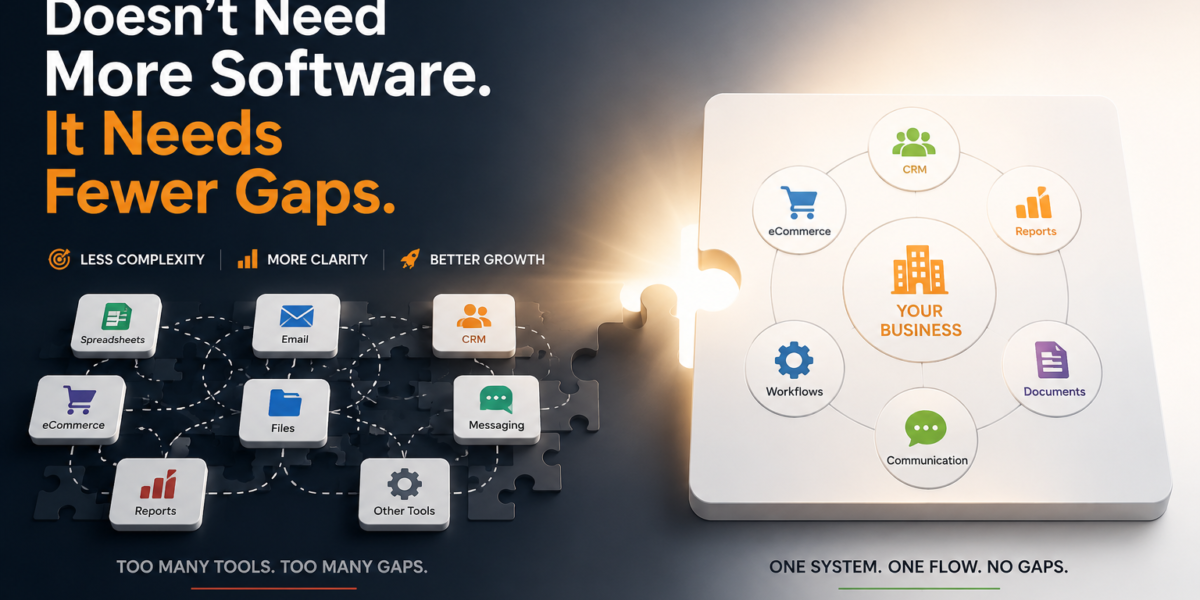
Most business systems were designed for storage and processing. Not for intelligence. They can record transactions. Track activity. Generate reports. But they weren’t built to support dynamic decision-making. So when AI is introduced, it doesn’t sit naturally within the system. It has to “adapt” to structures that were never meant for it. And that’s where friction begins.
Automation Without Context Creates Noise
Another issue shows up when businesses try to automate too quickly. Processes get automated before they’re fully understood. Decisions get delegated before the logic is clear. And suddenly, the system starts producing outputs that technically make sense, but don’t fit the situation.
This is where teams start ignoring the system. Not because it’s broken. But because it’s unreliable.
Integration Matters More Than Intelligence
This is something that surprises a lot of teams. The biggest improvement doesn’t come from the AI itself. It comes from what connects to it. If systems are properly integrated, something changes immediately. Data becomes consistent. Inputs become reliable. Outputs start making sense. Only then does AI actually start adding value. At Minterminds, this is often the first step, not building smarter models, but building better flow.
Real-Time Systems Change the Game
Another shift that’s becoming more important is real-time processing. Traditional systems work in batches. Data updates periodically. Reports refresh at intervals. That’s fine for reporting. But not for intelligence. AI performs best when it works with live data. When decisions can adapt instantly. When systems respond instead of react. Without that, even advanced models feel delayed.
When AI Finally Starts Working
You can usually tell when an AI system is actually useful. No one talks about it. There are fewer manual corrections. Fewer overrides. Fewer “this doesn’t look right” moments. The system starts blending into the workflow instead of interrupting it. That’s when it’s working.
Final Thought
Most AI projects don’t fail because the technology is wrong. They fail because the environment around it isn’t ready. Weak data flow. Disconnected systems. Unclear processes. AI doesn’t fix these problems. It exposes them. And once those foundations are fixed, the same AI suddenly starts delivering results.
That’s usually the turning point. Not when the model improves. But when the system finally catches up.