

Introduction
Every year, there’s a new headline about “the future of development.” New frameworks. New tools. New promises. Most of them disappear quietly.
What actually shapes web and app development isn’t hype. It’s what happens when software meets real users, real pressure, and real business consequences. That’s where trends stop being buzzwords and start becoming habits.
By 2026, development is entering a more settled phase. Not slower. Just more deliberate. Teams are building differently because they’ve learned the cost of getting it wrong.
Thinking Beyond Launch Day
For a long time, the finish line was launch. Get it out. Show progress. Fix things later. That approach worked when products were smaller and expectations were lower. It doesn’t hold up anymore. Once users depend on a platform for work, money, or daily routines, mistakes compound quickly.
In 2026, the smarter teams are designing for what happens after launch. Not just week one metrics, but month six questions. Can this feature change without breaking others? Will this still make sense when usage doubles? Does anyone actually understand why this logic exists?
These questions don’t slow development down. They prevent future chaos.
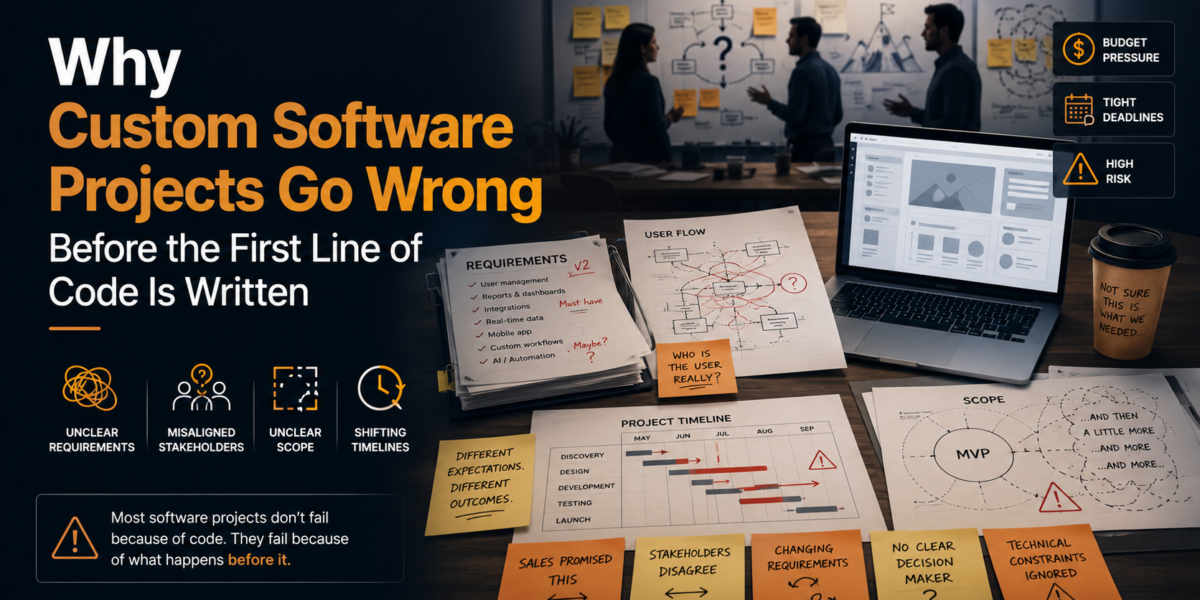
At Minterminds, planning increasingly starts with scenarios rather than screens. What if this scales? What if it pivots? What if it fails quietly instead of loudly? Those conversations shape architecture long before code is written.
Speed Has a Different Meaning Now
Speed used to mean shipping quickly. Now it means responding quickly. Users don’t care how fast something was built. They care how fast it reacts when they click, swipe, or submit. They care whether it hesitates. Whether it freezes. Whether it makes them wait without explanation.
In 2026, performance isn’t something teams “optimize later.” It’s baked into decisions early on. How data moves. How much is loaded. What actually needs to happen in real time.
The irony is that the fastest-feeling products are often the simplest under the hood. Less magic. More clarity. That clarity comes from restraint, not shortcuts.
Interfaces Are Becoming Less Loud
There was a phase where products tried to impress users at every turn. Animations everywhere. Pop-ups. Tooltips. Feature announcements layered on top of each other.
Users are tired. Modern interfaces are becoming quieter. Less instructional. More intuitive. They rely on familiarity rather than explanation.
By 2026, good UI design blends into behaviour. Users shouldn’t need onboarding to understand how something works. If they do, something upstream went wrong. This affects development directly. It pushes teams to simplify flows, remove unnecessary states, and think harder about defaults. The best apps won’t feel clever. They’ll feel obvious.
AI Without the Spotlight
AI isn’t going anywhere, but the way it’s talked about is changing. Early adoption came with noise. Labels. Promises. Big claims. Now businesses care less about the label and more about the outcome.
In 2026, AI sits quietly in the background. It improves recommendations. Flags issues early. Reduces repetitive effort. Adjusts experiences subtly over time. Most users won’t know it’s there. And that’s intentional.
The more invisible the intelligence, the better the product feels. For development teams, this means focusing less on showcasing AI and more on integrating it responsibly. Clean inputs. Clear boundaries. Predictable behaviour.
Smart doesn’t have to mean surprising.
One System, Many Touchpoints
Users don’t think in platforms. They think in moments. They start something on a phone. Continue it on a laptop. Check it later on a tablet. They expect continuity without friction.
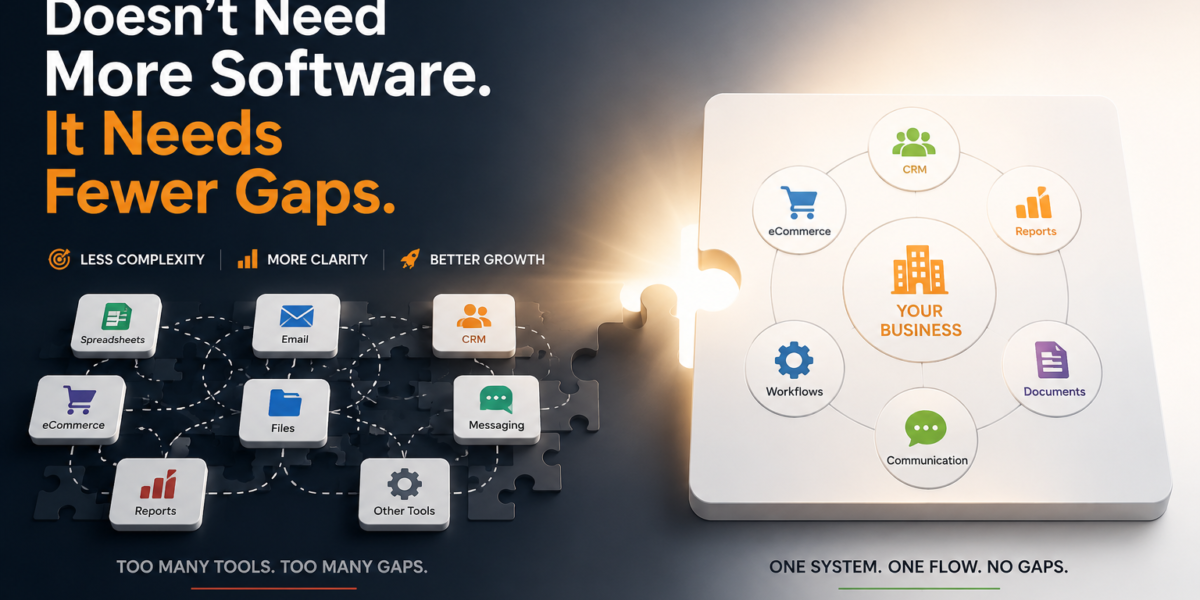
That expectation is reshaping how apps are built. Instead of separate codebases fighting for consistency, teams are designing shared systems that adapt across environments. Logic lives in one place. Design systems stay unified. Behaviour remains predictable.
This doesn’t eliminate platform differences, but it reduces duplication. It also reduces errors. By 2026, cross-platform thinking isn’t a shortcut. It’s standard practice.
Security Without the Drama
Security used to be reactive. Something broke. Something leaked. Something was patched. That cycle is unacceptable now.
As apps handle more sensitive data — financial, operational, personal — security decisions happen earlier and more quietly. Strong defaults. Limited permissions. Clear data boundaries. Users don’t want warnings. They want confidence.
The most secure products won’t talk about security constantly. They’ll simply avoid situations where things go wrong in the first place. That mindset changes how systems are structured, not just how they’re protected.
Development Teams Are Being Asked to Think
Perhaps the biggest shift in 2026 isn’t technological at all. It’s relational. Clients don’t just want execution anymore. They want insight.
Why build this feature? What problem does it actually solve? What happens if this assumption is wrong? Teams that can engage at that level are becoming long-term partners, not temporary resources.
This is where development overlaps with strategy. Where code decisions affect business outcomes directly.
At Minterminds, this shows up in conversations that go beyond specifications. Less “what do you want?” and more “what are you trying to achieve?” That difference matters.
The Quiet Importance of Documentation
Documentation rarely gets attention, but its absence always shows. In 2026, teams are rediscovering the value of writing things down properly. Not just how something works, but why it exists. Good documentation reduces dependency on individuals. It shortens onboarding. It prevents accidental damage.
It’s not glamorous. But it’s one of the clearest signs of a mature development process. Software lives longer than teams. Documentation is how it survives the handover.
Fewer Features, Better Decisions
There’s a growing understanding that more features don’t equal more value. Bloated products confuse users and slow teams. Every new feature adds surface area for bugs, maintenance, and support.
In 2026, strong products are defined by what they don’t include. Development teams are becoming more selective. Saying no more often. Prioritising depth over breadth. This restraint leads to systems that are easier to maintain and easier to trust.
Closing Thought
Web and app development in 2026 won’t be remembered for novelty. It will be remembered for reliability. Products that last will be the ones built with patience. With intention. With a clear understanding of the people who use them and the businesses that depend on them.
The best technology doesn’t demand attention. It earns trust by working quietly, consistently, and well. That’s where development is heading.