


Introduction
There’s no official announcement when it happens. No dashboard alert. No red warning sign. It just starts feeling harder. Tasks that once took ten minutes now take thirty. Approvals move slower.
People ask, “Which number is correct?” more often. Revenue may still be growing. Clients are coming in. On paper, everything looks fine. Inside, it feels messy. This is usually the day a business has quietly outgrown its own systems.
At Minterminds, this is one of the most common starting points for conversations. Not because companies want something new.Because what they already have isn’t keeping up.
Early Success Hides Structural Gaps
When a business is small, gaps in systems don’t show up clearly. Manual updates feel manageable. Spreadsheets feel organized.
Two tools not syncing doesn’t seem like a big deal. With low volume, humans can compensate. But growth exposes everything. More transactions mean more data movement. More employees mean more coordination. More customers mean more edge cases.
The shortcuts that once saved time now create confusion. And slowly, the business begins running on patches instead of processes.
When People Become the Connectors
One of the clearest signs of weak digital structure is when people act as bridges between systems. Someone exports data from one platform. Uploads it somewhere else. Double-checks the numbers. Sends confirmation messages.
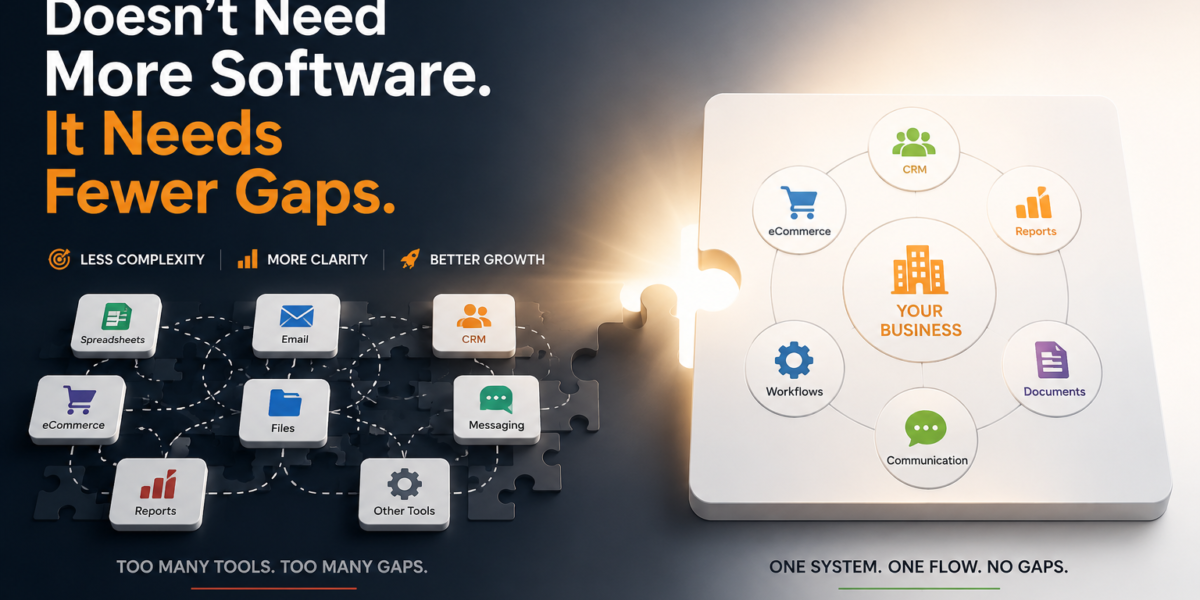
That work wasn’t part of anyone’s job description. But it becomes normal. This isn’t a talent issue. It’s a system issue. When software doesn’t talk to each other, people fill the gap.
And that gap grows with scale.
Adding More Tools Usually Makes It Worse
The instinct is understandable. Something feels slow? Add automation. Data mismatch? Add reporting software. Tracking issues? Add another dashboard. It feels like progress. But layering tools on top of disconnected foundations often increases complexity. Now there are more logins. More data sources. More places for something to break.
Instead of solving the root issue, the stack becomes heavier. At Minterminds, the first question isn’t, “What new tool do you need?” It’s, “What is unnecessary?” Simplifying often does more than adding.
Custom Systems Aren’t About Reinventing Everything
There’s a misconception that custom development means building massive platforms. In reality, most businesses don’t need something huge.
They need something aligned.
For example:
- A workflow that follows the real approval hierarchy.
- A dashboard that reflects actual business priorities.
- A backend that connects sales, billing, and operations cleanly.
That’s it.
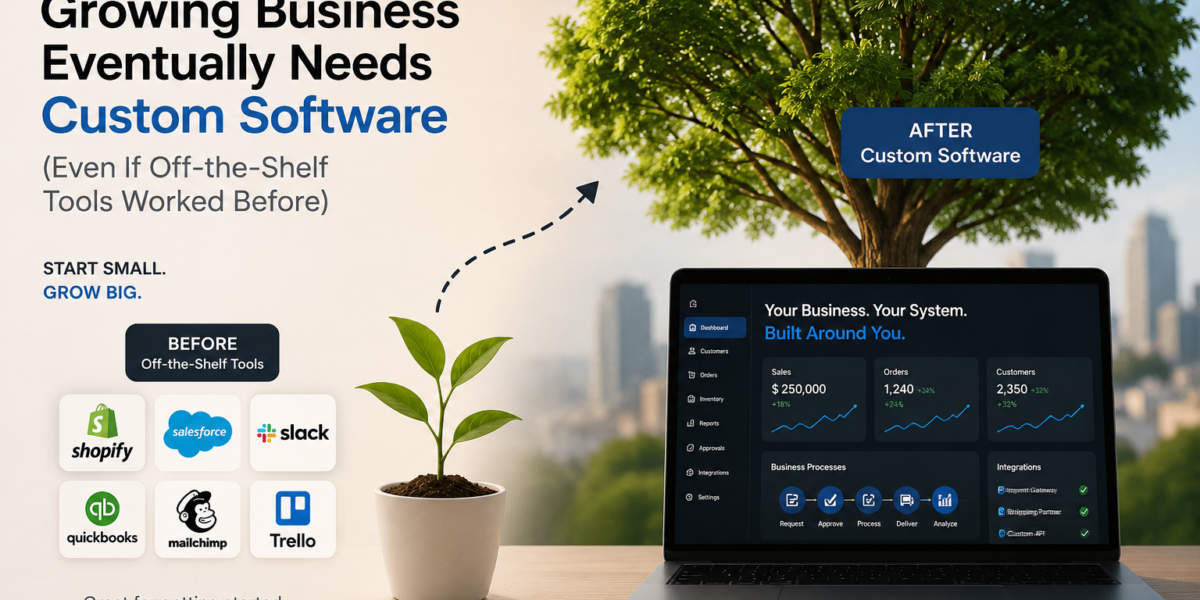
When software mirrors how a company actually works, daily friction drops immediately. No more forcing processes to fit a generic system. At Minterminds, custom solutions are usually designed to remove noise. Not create more of it.
When Websites Stop Being “Just Marketing”
Many businesses underestimate how quickly their website becomes operational. It starts as branding.
Then it handles:
- Customer accounts
- Orders
- Payments
- Support queries
Suddenly, it’s critical infrastructure. If it wasn’t built with scalability in mind, problems show up fast. Performance issues. Security concerns. Integration gaps.
At that stage, redesign isn’t enough. Structure needs attention. Minterminds approaches web platforms as long-term systems, not short-term launches. Because once users rely on it daily, stability matters more than appearance.
Integration Changes the Experience of Growth
One of the most noticeable shifts clients describe is what happens after systems are properly integrated.
Sales data updates finance automatically. Inventory reflects real-time changes. Customer records stay consistent everywhere. No duplicate entry. No reconciliation spreadsheets. No guessing which report is correct.
It’s not flashy. But teams feel it. Meetings get shorter. Decisions get faster. Stress reduces. Integration doesn’t look dramatic. It just makes things smoother.
AI Only Helps When Foundations Are Clean
There’s constant conversation around artificial intelligence. But AI layered onto messy systems amplifies problems. If data is inconsistent, automation spreads inconsistencies faster. If workflows are unclear, intelligence doesn’t clarify them.
At Minterminds, AI is introduced after systems are structured properly. Used for pattern recognition. Used for forecasting. Used to remove repetitive work. But only when the base is solid. Technology should support clarity, not complicate it.
The Difference Between Busy and Productive
Without aligned systems, teams stay busy. With aligned systems, teams stay productive.
Busy means:
- Constant coordination
- Frequent corrections
- Manual confirmations
Productive means:
- Clear workflows
- Reliable data
- Minimal duplication
That difference defines whether growth feels exciting or exhausting.
Final Thought
Most businesses don’t realise they’ve outgrown their systems until friction becomes normal.
And by then, the problem feels cultural. It rarely is. It’s structural. Strong digital foundations don’t look impressive in a presentation. But they quietly support every decision, every process, and every stage of growth.
At Minterminds, the focus isn’t on building flashy tech. It’s on building systems that let businesses grow without dragging complexity behind them. When structure is right, growth feels lighter. And that’s usually the real goal.