


Introduction
There’s a stage almost every growing company reaches. Things are working. Revenue is coming in. New clients are joining. The team is expanding.
From the outside, everything looks positive. Inside, it feels different. People are busier than ever. Tasks take longer. Small mistakes happen more often.
Conversations revolve around “Did this get updated?” Growth is happening. But it feels heavier than it should. This is usually not a people problem. It’s a systems problem.
At Minterminds, this is one of the most common patterns we see before a company decides to rethink its digital setup.
Chaos Rarely Starts With Big Failures
It doesn’t start with a crash. It starts quietly. An order gets delayed because data wasn’t synced. A client receives the wrong invoice. A report shows numbers that don’t match finance.
Nothing catastrophic. Just friction. So the team compensates. Someone double-checks everything. Someone builds a new tracker. Someone sends follow-up emails manually. These small adjustments solve the issue temporarily.
But they also create a new layer of complexity. And complexity spreads quickly.
Why More Tools Usually Make It Worse
When inefficiency appears, the instinct is to add another tool.
An automation platform. A reporting tool. A scheduling system. It feels like progress.
But if the core systems don’t communicate properly, new tools only sit on top of the same problem. Soon the business has:
- Five dashboards.
- Three versions of customer data.
- Multiple approval paths.
Instead of clarity, there’s confusion. Instead of saving time, there’s more checking and correcting. This is where smart digital thinking matters.
What Strong Digital Foundations Actually Look Like
They’re not flashy. They don’t impress people in demos. They quietly make daily work smoother.
For example:
- Sales information updates billing automatically.
- Inventory reflects real-time stock without manual entry.
- Leadership sees clean, reliable reports instantly.
- No spreadsheets passed around.
- No “final-final version” documents.
- No late-night data reconciliation.
At Minterminds, building strong foundations often means simplifying things rather than adding more.
Custom Software Isn’t About Being Different
Many companies think custom tech is only for large enterprises. But in reality, custom systems are often what mid-sized, growing businesses need most.
Not because they want something unique. Because their workflows are no longer average. Generic software forces teams into predefined processes. Custom software follows how the business already operates. Approvals match the internal structure.
Dashboards reflect real metrics. Workflows align with reality. Instead of bending operations to fit software, the software fits the operations. That shift alone reduces a surprising amount of daily stress.
Websites and Platforms Become Operational Engines
A company website usually starts simple. Then over time, it becomes connected to:
- Customer logins
- Orders
- Payments
- Service requests
- Internal tracking
Suddenly, it’s no longer just marketing. It’s part of operations. If built without strong backend thinking, issues appear quickly. Slow performance. Integration gaps. Security risks.
Minterminds approaches web platforms as long-term systems. Not temporary projects. Because once customers rely on them, failure costs more than redesign ever could.
Integration Solves More Than Most People Expect
One of the biggest improvements businesses feel after working with Minterminds is proper integration.
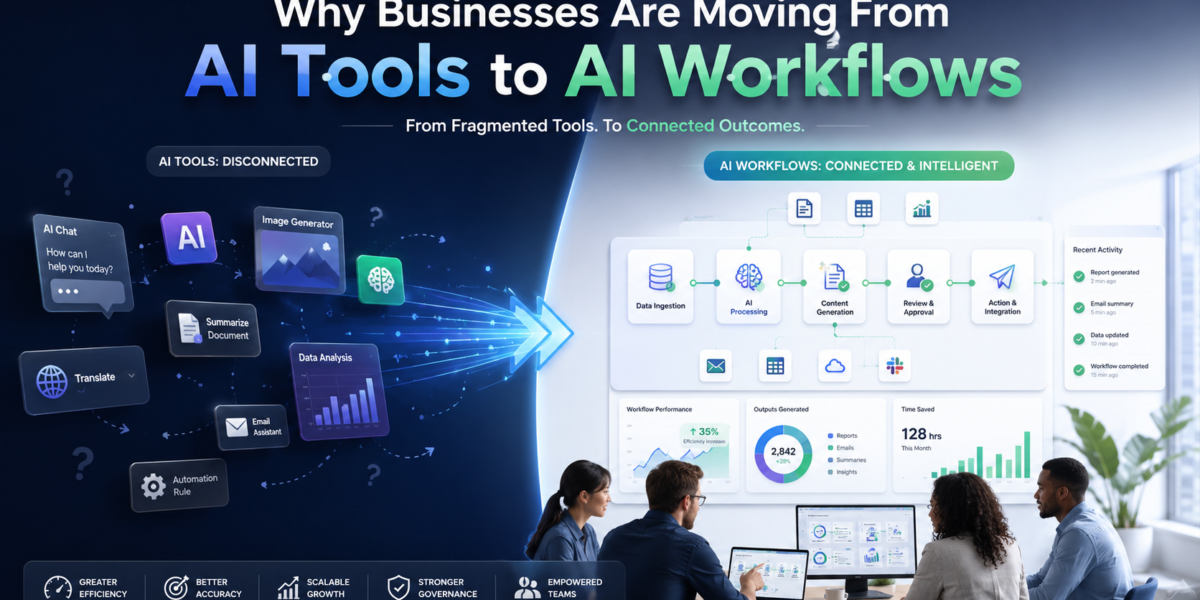
Most companies already have the right tools. They just don’t talk to each other. When systems connect: Manual work drops. Errors reduce. Processes speed up.
Instead of humans acting as connectors, technology handles the flow. This alone often frees up hours every week. And hours turn into real savings.
AI Doesn’t Need to Be Loud to Be Powerful
There’s pressure everywhere to adopt AI. But not every company needs complex AI systems.
Sometimes what they need is:
- Better data organisation.
- Cleaner automation.
- Smarter reporting.
AI works best when it quietly enhances what already exists. Analysing patterns. Reducing repetitive work. Improving accuracy.
At Minterminds, AI is used carefully, where it genuinely improves outcomes. Not where it just looks impressive.
Growth Feels Different With Stable Systems
When digital foundations are weak, growth feels chaotic. Each new client adds pressure. Each new employee adds confusion. Each new process adds another workaround.
But when systems are stable and connected, growth feels controlled. New activity flows through existing processes. Teams stay focused instead of overwhelmed.
Leaders trust the numbers they see. This difference changes how a business experiences expansion.
The Real Goal
The goal isn’t to have the newest tools. It’s to remove friction. To reduce daily inefficiencies. To let teams focus on work that actually moves the business forward.
At Minterminds, digital solutions are built with this mindset. Custom software where needed. Integrated systems that communicate properly.
Web and mobile platforms designed for long-term use. AI applied practically. Not to impress. To make work easier.
Final Thought
Growth should feel exciting. Not exhausting.
If scaling feels heavier every month, the problem usually isn’t effort. It’s structure. Strong digital systems don’t just support growth. They make it sustainable.
And that’s where thoughtful, well-built technology makes all the difference.