


Introduction
Most businesses begin with ready-made tools. It makes sense. You sign up, set things up in a few hours, and start working. Accounting software, CRM, project tools, marketing platforms, everything is available instantly.
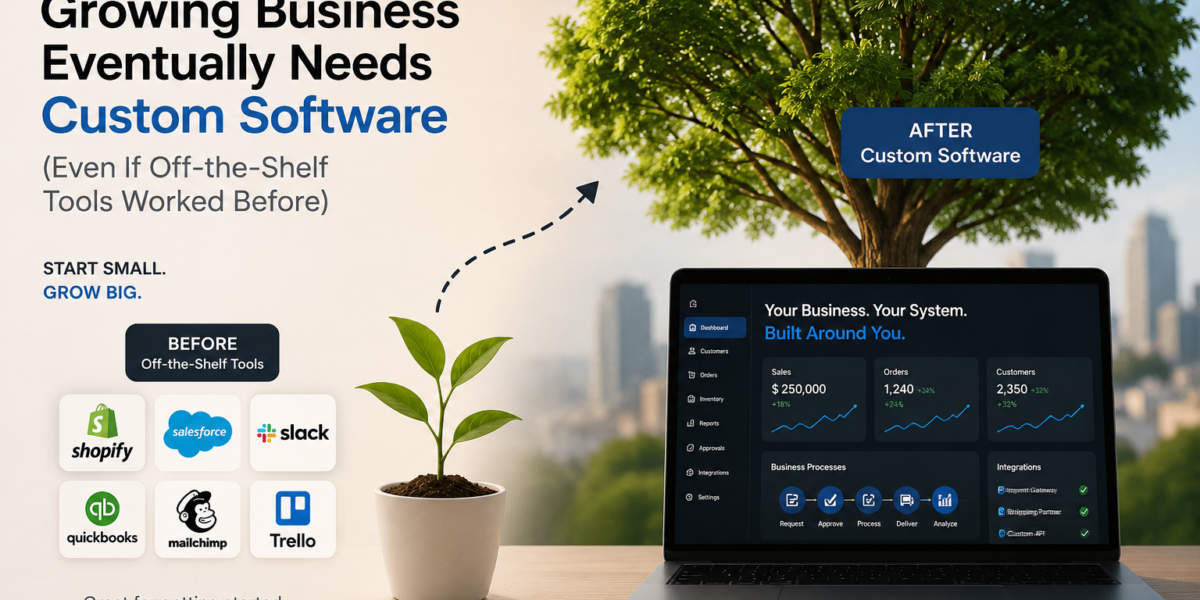
And in the early days, it works well. But something interesting happens as a business grows. The same tools that once felt helpful slowly start feeling restrictive. Not broken. Just limiting.
At Minterminds, this shift shows up in almost every long-term client story.
It Starts With Small Adjustments
At first, teams just tweak things. They add spreadsheets to track what the software can’t. They use notes, tags, or custom fields to force the tool to match their process. They manually update data between platforms.
It doesn’t feel like a problem yet. It feels like “just how things are done.”
But as volume increases, those small adjustments turn into daily friction. More customers. More orders. More approvals. More reporting. And suddenly the work feels heavier.
Not because business is harder, because systems aren’t built for how the business now runs.
SaaS Tools Are Built for Averages
This is something most people don’t realise.
Most popular software is designed to fit the widest possible audience.
That means:
- Standard workflows
- General features
- Limited customization
- They aim to work okay for everyone.
But businesses aren’t average. Every company has its own approvals, reporting needs, customer flow, and internal logic. When software doesn’t match that reality, people adapt around it.
They find workarounds. They accept inefficiencies. They hire more staff just to manage processes manually.
Over time, this costs far more than the software itself.
This Is Where Custom Tech Starts Making Sense
Custom software isn’t about being fancy.
It’s about fit. Instead of forcing your operations into someone else’s framework, the system is built around how you actually work.
For example:
- If approvals happen in a specific order, the system follows that.
- If certain data matters more than others, dashboards reflect that.
- If departments need shared visibility, it’s built in.
At Minterminds, most custom projects are surprisingly simple. Not huge platforms. Just focused systems that remove daily friction. Clients often say the same thing after launch: “Why didn’t we do this earlier?”
Web Platforms Become More Than Websites
Another shift happens with websites. At first, a website is just a digital brochure. Then it slowly turns into something bigger. Customer logins. Bookings. Orders. Dashboards. Support requests.
Before you know it, the website becomes part of operations.
But many businesses keep treating it like a design project instead of a system.
So problems appear:
- Slow loading
- Security gaps
- Poor integrations
- Hard-to-manage content
At Minterminds, web platforms are built like digital infrastructure.
Design matters, yes. But performance, data flow, and scalability matter more. Because once a website is tied to daily business activity, it needs to be reliable.
Mobile Apps Usually Fail for One Simple Reason
Most apps try to do too much.
Too many features. Too many screens.
Too many options. Users don’t want complexity. They want speed. They want to complete tasks quickly.
When Minterminds builds mobile solutions, the focus is narrow. What is the main thing users need to do?
Everything else supports that. Not distracts from it. This approach is why many apps built with simplicity perform better long term. People actually use them.
AI Works Best When It’s Quiet
There’s a lot of pressure right now to “add AI”.
But not every process needs artificial intelligence. In reality, most businesses benefit more from:
- Better automation
- Cleaner data flow
- Smarter reporting
AI is useful when it solves a real problem.
For example:
- Analysing large data sets quickly
- Automating repetitive decisions
- Improving response times
Minterminds uses AI where it adds value. Not where it looks impressive. When AI is done right, users barely notice it. They just notice things working faster and smoother.
The Biggest Improvement Usually Comes From Integration
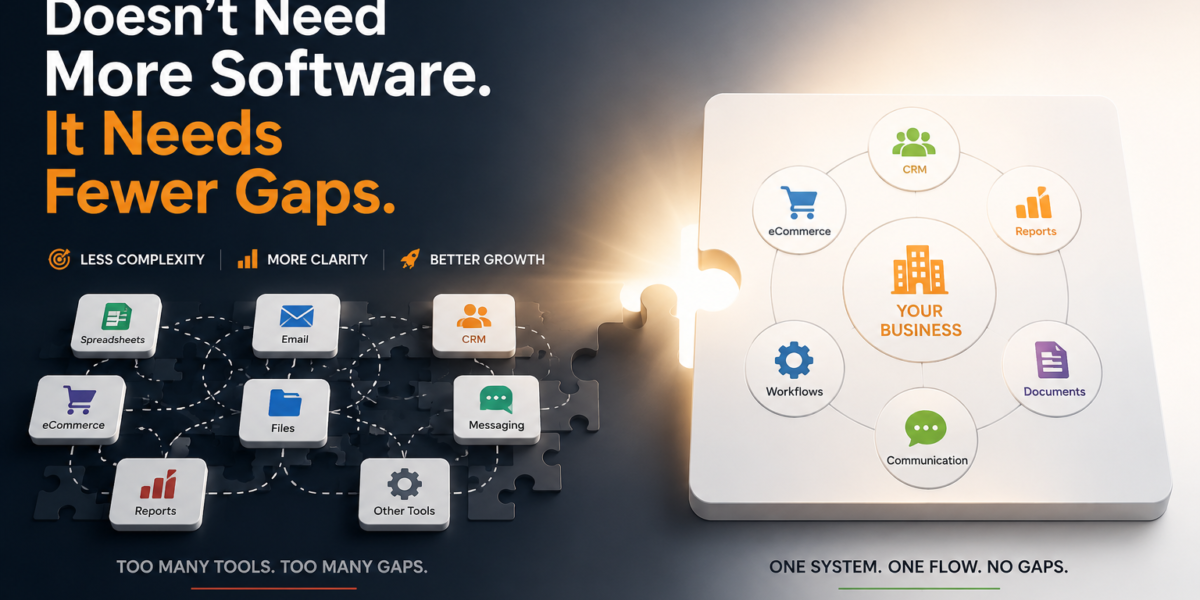
If there’s one thing that consistently saves clients time and money, it’s connecting systems properly.
Most businesses already have the tools they need.
They just don’t communicate. Sales doesn’t sync with billing. Inventory doesn’t sync with orders. Customer updates don’t sync across platforms. So people fill the gaps manually. Custom integration fixes this. Information flows automatically. Processes connect. Errors reduce. And teams finally stop acting as human bridges between software.
At Minterminds, integration is often the foundation of every digital project.
Scaling Feels Different With Strong Systems
When systems are weak, growth feels chaotic. More customers means more problems. More staff means more coordination issues. More data means more confusion. But when digital foundations are strong, growth feels controlled.Processes scale naturally.
New users onboard smoothly.Reports stay accurate. This is the real benefit of custom tech.Not just today’s efficiency. Tomorrow’s stability.
Final Thoughts
Most businesses don’t plan to move away from SaaS tools. They grow into the need for something better. Custom tech isn’t a replacement for everything. It’s a solution for the parts that matter most.
The workflows that define daily operations. The systems that carry critical data. The processes that can’t afford errors.
At Minterminds, the focus is always on building practical digital solutions that fit real businesses.
Not trends. Not hype. Just systems that work.