




There’s a strange phase many businesses go through. Everyone is working. Calendars are full. Messages keep coming in. Things are constantly “in progress.” And yet, somehow, it still feels like things are slipping. Deadlines stretch. Follow-ups increase. Simple tasks take longer than expected. It creates this quiet frustration where the team is clearly putting in effort, but the results don’t always match. At first, it’s easy to assume the issue is workload. But in most cases, it isn’t.
Overview
And yet, somehow, it still feels like things are slipping. Deadlines stretch. Follow-ups increase. Simple tasks take longer than expected.
It creates this quiet frustration where the team is clearly putting in effort, but the results don’t always match. At first, it’s easy to assume the issue is workload. But in most cases, it isn’t.
A full calendar can feel like productivity. Meetings, calls, updates, reviews, they all look like work being done. But if you step back for a moment, a lot of that time is spent coordinating rather than actually moving things forward.
People checking in. Clarifying details. Confirming numbers. It’s work, but it’s not progress. This usually happens when systems aren’t supporting the way teams operate.


Key Insights
It creates this quiet frustration where the team is clearly putting in effort, but the results don’t always match. At first, it’s easy to assume the issue is workload. But in most cases, it isn’t.
A full calendar can feel like productivity. Meetings, calls, updates, reviews, they all look like work being done. But if you step back for a moment, a lot of that time is spent coordinating rather than actually moving things forward.
People checking in. Clarifying details. Confirming numbers. It’s work, but it’s not progress. This usually happens when systems aren’t supporting the way teams operate.
And yet, somehow, it still feels like things are slipping. Deadlines stretch. Follow-ups increase. Simple tasks take longer than expected.
minterminds
Final Thought
Learn more with Minterminds.

Related posts

Technology / Business
Industry / Technology
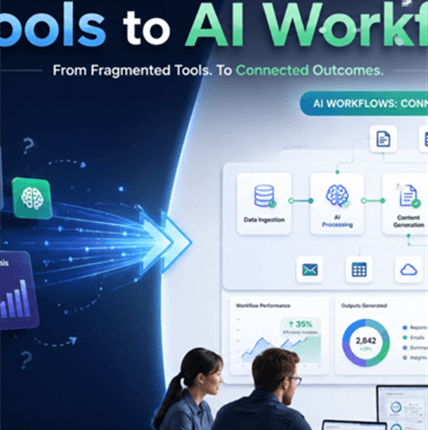
Why Businesses Are Moving From AI Tools to AI Workflows
Softwares / Technology