
Technology

Why System Integration Is Becoming the Most Important Part of Modern Business Technology

Introduction

A lot of conversations about business technology today revolve around new tools. Artificial intelligence platforms, automation software, analytics dashboards, customer management systems, the list keeps growing every year. For many businesses, adopting these tools feels like the natural next step toward improving efficiency.

Yet something interesting often happens inside growing companies. Even after investing in several advanced tools, teams still feel that work takes longer than expected. Reports take time to compile, data has to be verified manually, and employees spend hours switching between platforms.

The issue usually isn’t the tools themselves. It’s the lack of integration between them. At Minterminds, one of the most common challenges businesses face isn’t choosing technology, it’s making existing systems work together in a way that actually supports operations.

The Modern Business Runs on Multiple Systems

Most companies today rely on several different platforms to manage their daily activities. Sales teams track leads in CRM systems.

Finance teams manage transactions through accounting software. Marketing teams use automation platforms for campaigns and analytics. Each of these tools is designed to perform a specific function extremely well.


But problems begin to appear when information needs to move between those systems. If the platforms aren’t connected properly, employees end up acting as the bridge.

Data gets exported from one tool and uploaded into another. Numbers are copied across spreadsheets. Teams double-check information before making decisions. These extra steps may seem small, but over time they consume a surprising amount of time.

Disconnected Systems Create Hidden Operational Costs

When systems operate separately, inefficiencies slowly accumulate. For example, customer information might exist in multiple places across the company’s platforms. If a customer updates their details in one system, that change may not appear in others unless someone manually updates it.

Over time this creates inconsistencies. Different departments start working with slightly different versions of the same data. Meetings become longer because teams must verify which numbers are correct. These small operational issues can affect decision-making more than most organizations realize.

Without reliable data flowing across systems, leaders often spend more time validating information than analyzing it.

Integration Brings Clarity to Business Operations

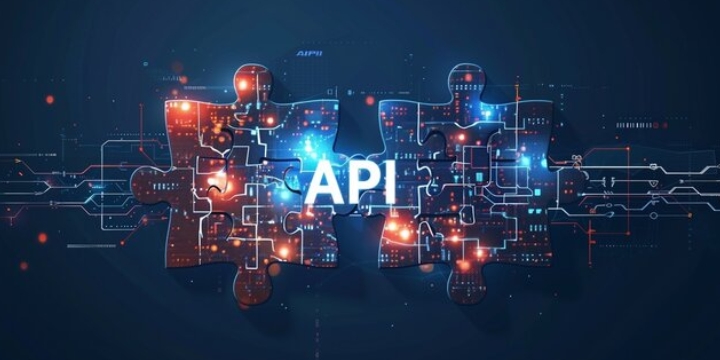
System integration addresses these problems by allowing different platforms to communicate automatically. Instead of transferring information manually, systems share updates in real time.

When a sale is recorded in the CRM, billing systems receive the data instantly. When inventory levels change, those updates appear across all relevant platforms. Reports pull from a unified data source rather than multiple disconnected tools.

The result is greater consistency across the organization. Teams begin to trust the information they work with, which makes everyday decisions easier and faster.

Growth Makes Integration Even More Important

For smaller companies, disconnected systems may not cause major problems at first. When operations are relatively simple, employees can manage the gaps manually.

However, as a business grows, the number of transactions, customers, and internal processes increases significantly. Manual updates that once took minutes begin to require hours.

Data discrepancies become more frequent. The technology that once supported growth begins to slow it down. This is often the stage where companies begin exploring more structured system integration or custom software solutions.

Custom Integration Aligns Technology With Real Workflows

Every business operates differently. Even companies within the same industry develop unique processes based on their team structure, products, and operational priorities. Off-the-shelf integrations rarely capture these nuances completely.

Custom integration allows businesses to design connections between systems that match how their teams actually work. At Minterminds, integration projects often begin with a detailed understanding of existing workflows. Instead of forcing teams to adapt to rigid software connections, the goal is to build integrations that support the natural flow of operations.

This approach ensures that technology becomes an enabler rather than an obstacle.

Integration Also Prepares Businesses for Future Technologies

Another benefit of system integration is that it creates a stronger digital foundation for future technologies. Tools such as artificial intelligence, predictive analytics, and automation rely heavily on accurate and consistent data.

If systems are fragmented, these technologies struggle to produce reliable results. But when data flows seamlessly across platforms, advanced technologies can analyze patterns more effectively and support better decision-making. In many cases, integration is the step that makes future innovation possible.

The Most Successful Systems Are Often the Simplest

One misconception about digital transformation is that it always involves building complex platforms.

In reality, the most effective improvements are often the simplest. Connecting existing systems. Removing redundant processes.

Ensuring that information appears where it is needed. These changes may not appear dramatic from the outside, but they can significantly improve daily operations. Employees spend less time navigating technology and more time focusing on meaningful work.

Final Thoughts

Businesses today have access to more technology than ever before. New platforms and tools continue to emerge, offering innovative ways to manage operations, analyze data, and serve customers. But the true value of technology lies in how well those systems work together.

When platforms remain disconnected, even the most advanced tools struggle to deliver their full potential. System integration brings structure to business technology by connecting platforms, simplifying workflows, and improving data reliability.

At Minterminds, the focus isn’t just on introducing new tools. It’s on helping businesses create digital ecosystems where technology supports growth instead of complicating it.

Because when systems work together properly, everything else becomes easier.